Reviewing Funny Christmas Coffee Line Art for Stitching
As a designer who has spent countless hours staring at digitized files and watching needles punch through fabric, I have developed a specific set of criteria for what makes a design work in the real world. It is not just about how it looks on a screen; it is about how it behaves under the presser foot. Recently, I evaluated Funny Christmas Coffee Line Art, a piece categorized under Illustrations, to determine its viability for actual production. This review is written for embroidery designers, Etsy sellers, and crafters who need honest, practical insight before committing thread and time to a project.
First Impressions and Visual Personality
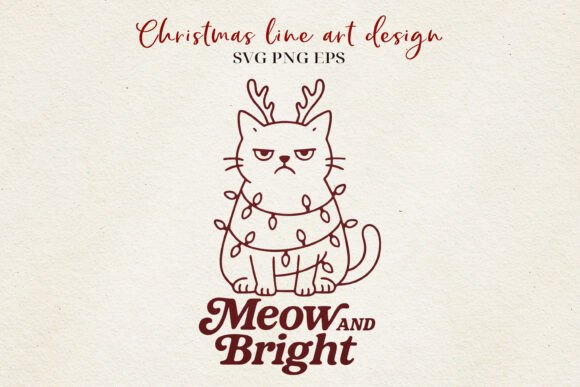
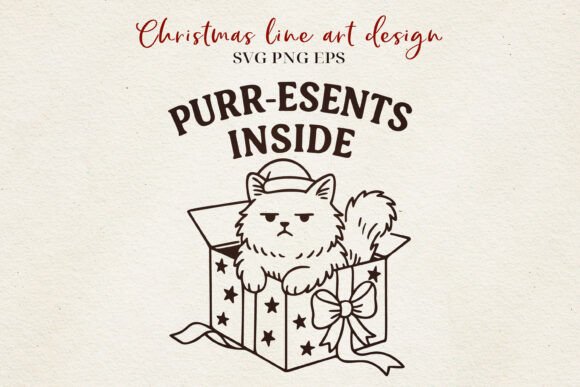
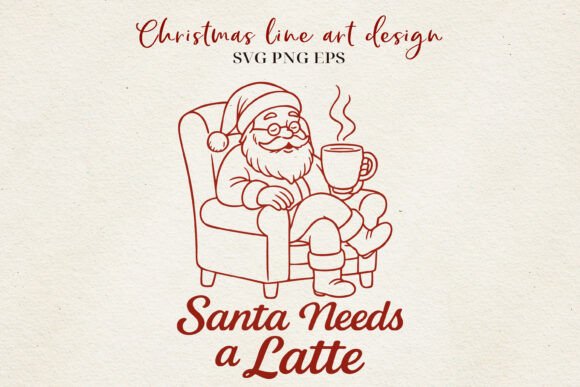
The immediate appeal of Funny Christmas Coffee Line Art lies in its simplicity. In an era where over-digitized designs often suffer from excessive stitch counts and muddy details, this line art approach feels refreshing. The mood is lighthearted and cozy, perfectly capturing the intersection of holiday cheer and caffeine dependence. For those of us creating handmade products, this thematic blend is gold. It resonates with customers who want something relatable rather than overly traditional.
The layout appears clean, which is crucial for embroidery. When we talk about line art in the context of a machine embroidery design, we are usually looking at running stitch or light satin stitch applications. The visual personality here suggests a modern aesthetic that fits well with contemporary home decor and casual apparel. It does not scream "vintage" nor does it feel cluttered. This balance makes it versatile for various fabric textures, from smooth cotton to textured linen.
Real-World Application Scenarios
To truly test a design, I imagine it on specific items. I pictured this design stitched onto a canvas tote bag. The contrast of dark thread against natural canvas would highlight the lines effectively, making it a strong tote bag design for holiday markets. It also works exceptionally well as sweatshirt embroidery. Placed on the left chest or centered on the back, the design adds a touch of humor without overwhelming the garment. This is key for custom apparel where the wearer wants subtlety mixed with personality.
Another strong candidate is the embroidered patch. Because line art often relies on clear boundaries, this design could be turned into a high-quality patch for caps or jackets. For baby embroidery, however, caution is needed. While the theme is cute, ensure the scale is appropriate and the stitches are not too dense for delicate skin. For kitchen textiles, such as a tea towel or apron, this design shines. Holiday embroidery on functional items increases their perceived value as personalized gifts.
Technical Considerations for Stitching
When working with line art, the devil is in the details. You must check the stitch density. If the digital embroidery file uses too many overlapping running stitches, the thread may break or the fabric may pucker. I recommend testing the design on scrap fabric first. This allows you to see how the thread colors interact with your chosen material. High-contrast thread colors will make the design pop, while monochromatic schemes offer a sophisticated, understated look.
Hoop size is another critical factor. Ensure the design fits comfortably within your hoop without being too close to the edge, which can cause registration issues. For curved surfaces like caps, you must verify that the design does not distort when stretched over the buckram. A stabilizer is non-negotiable here; use a cut-away for stretchy fabrics like sweatshirt fleece and a tear-away for stable woven cottons. This ensures the finished product remains flat and professional.
Navigating Fabric and Texture Challenges
Not all fabrics behave the same way. On textured fabrics, fine lines can get lost in the weave. If you are using this design on a rough linen or a fluffy towel, consider increasing the stitch weight slightly or choosing a thicker thread to maintain visibility. Conversely, on thin fabric, heavy stitching can cause puckering. Always test on a similar material to your final product. Dark fabric requires careful thread selection; light or metallic threads often provide the best readability for line art.
For items that need frequent washing, such as baby clothes or kitchen towels, stitch security is paramount. Check for any loose ends or weak points in the digitizing. A well-digitized file will have secure start and end points, minimizing the risk of unraveling. This attention to detail builds customer trust and enhances the longevity of your handmade product.
Commercial Viability and Brand Consistency
For small shop owners and Etsy sellers, Funny Christmas Coffee Line Art offers strong commercial potential. It fits seamlessly into a boutique branding strategy that values humor and quality. When used in printable mockups or digital product previews, the clean lines translate well, helping customers visualize the final result. This clarity can boost buyer engagement and conversion rates.
However, always confirm licensing before selling finished items or digital products. Not all design assets come with commercial rights. If you are using this as part of a larger collection of design assets, ensure it aligns with your brand’s voice. Consistency in style helps build recognition. If your shop specializes in whimsical, modern holiday items, this design is a perfect fit. If your brand is more traditional or formal, it might clash.
Practical Designer Notes
- Test First: Always stitch out a sample on scrap fabric to check for tension issues and thread breaks.
- Check Contrast: Review the design in black and white mockups to ensure the lines remain distinct without color reliance.
- Stabilizer Choice: Match the stabilizer to the fabric texture. Use cut-away for knits and tear-away for wovens.
- Thread Quality: High-quality thread reduces lint and breakage, especially important for detailed line work.
- Licensing Verification: Confirm whether the embroidery file allows for commercial use if you plan to sell the finished product.
- Scale Appropriately: Ensure the design size matches the item. A design that is too small may lose detail; too large may look awkward.
In conclusion, Funny Christmas Coffee Line Art is a solid choice for designers looking to add a touch of modern humor to their holiday collections. Its strength lies in its versatility and clean execution. By paying attention to technical details like stitch density, fabric choice, and stabilizer type, you can ensure a high-quality finished product. Whether you are creating a personalized gift, expanding your Etsy listings, or designing custom apparel, this illustration offers a reliable foundation for creative expression. Just remember to respect the technical limits of your machine and materials, and always prioritize the end-user experience.