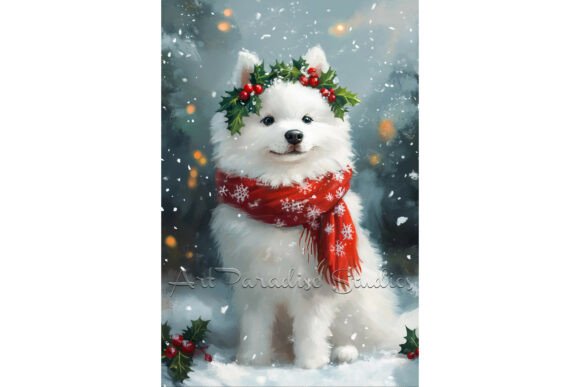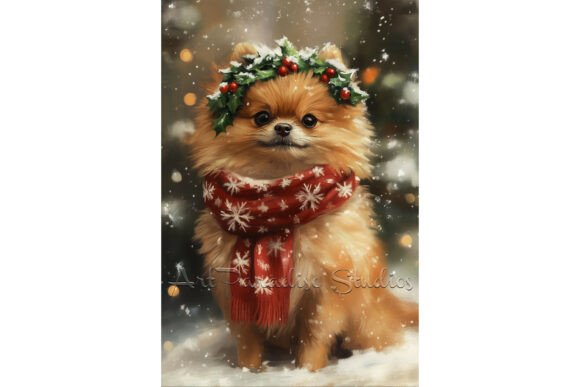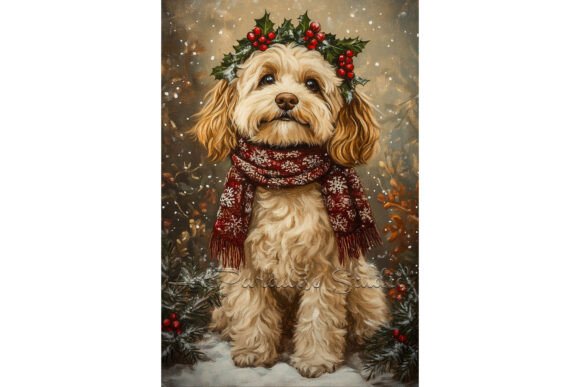
Reviewing the Christmas Shiba Inu Wall Art Print
As a designer who has spent countless hours digitizing and testing embroidery patterns, I approach every new machine embroidery design with a critical eye. It is not just about whether the image looks cute on a screen; it is about how those lines translate into thread, how the fabric behaves under the needle, and whether the final finished product holds up to real-world use. Recently, I evaluated the Christmas Shiba Inu Dog Wall Art Print for potential inclusion in my holiday collection, and the results offered some valuable insights for fellow crafters and small business owners.
First Impressions and Visual Personality
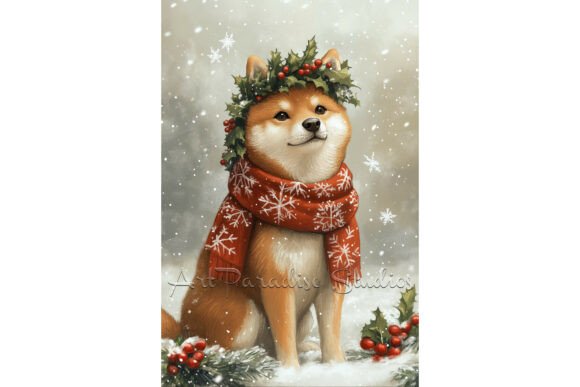
The first thing that strikes you about this piece is its charming balance between whimsical charm and clean line work. Belonging to the Illustrations category, the design avoids the cluttered complexity that often plagues holiday-themed graphics. The Shiba Inu is depicted with characteristic alertness, adorned with festive elements that suggest warmth and joy without overwhelming the central figure. For an embroidery project, this clarity is crucial. Complex gradients in digital art often fail in stitching, but this design relies on strong shapes and defined edges, which are far more forgiving when converted into satin stitch or fill stitch formats.
The mood is undeniably cozy. It evokes the feeling of a quiet winter evening, making it an ideal candidate for holiday embroidery projects intended as gifts. When I visualized this on a cream-colored linen tote, the contrast felt immediate and appealing. It does not scream for attention with neon brightness but rather invites a closer look, which is exactly what you want in a high-quality handmade product.
Real-World Application: From Screen to Stitch
To truly understand the value of this embroidery file, I considered several practical applications. Imagine preparing a custom order for a client who wants a personalized gift for a dog lover. This design fits seamlessly into that narrative. On a heavyweight cotton sweatshirt, the Shiba’s expressive face becomes a focal point on the chest or even larger on the back. The thread colors required are standard—reds, greens, creams, and browns—meaning most embroiderers will already have the necessary spools in their inventory.
For Etsy sellers and boutique owners, versatility is key. This design works exceptionally well as a tote bag design. The flat surface of a canvas bag allows the stitches to lie smoothly, preserving the integrity of the Shiba’s features. Similarly, as an embroidered patch, it could be applied to denim jackets or backpacks, adding a touch of personality to everyday wear. The scale of the design is adaptable; it can be resized for a baby onesie, creating adorable baby embroidery that parents will cherish, or enlarged for a pillow cover that serves as seasonal home decor.
However, context matters. While the design is robust, it is not a one-size-fits-all solution for every garment. On a structured cap, the curvature might distort the finer details of the dog’s ears or the festive accessories. In such cases, careful placement and possibly simplifying the stitch density in non-critical areas would be necessary to prevent puckering.
Navigating Fabric and Technical Challenges
One must always consider where the design should be used carefully. Thin or stretchy fabrics present a challenge for any detailed illustration. If you attempt to stitch this on a lightweight rayon blouse without proper support, the fabric texture may not hold the weight of the threads, leading to distortion. Here, the choice of stabilizer becomes non-negotiable. A cut-away stabilizer is recommended for garments that will undergo frequent washing, ensuring the design remains stable over time.
Dark fabrics also require strategic planning. If stitching on navy or black material, the lighter tones in the Shiba’s fur will pop beautifully, but you must ensure your underlay stitches are sufficient to prevent the dark fabric from showing through the lighter top threads. Conversely, on white fabric, shadow effects from dense stitching can become visible, so testing on scrap fabric is essential before committing to the final piece.
Small hoop sizes limit the level of detail you can capture. If you are working with a 4x4 inch hoop, you may need to crop or simplify the surrounding festive elements to keep the Shiba’s face clear. Tiny lettering, if included in any variant of the design, should be scrutinized for readability. Often, what looks sharp on a monitor becomes a blob of thread at small scales. Always inspect small details at 100% zoom in your embroidery software before loading the digital embroidery file onto your machine.
Enhancing Brand Value and Customer Trust
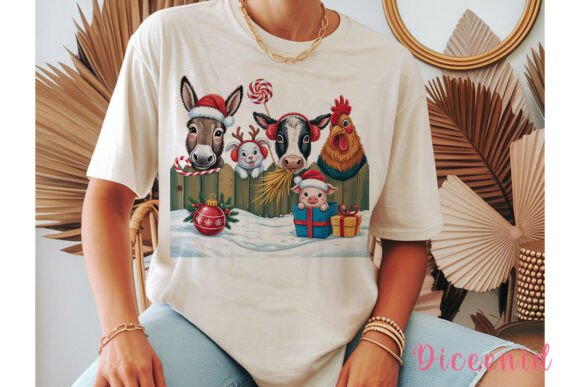
For commercial entrepreneurs, the quality of your design assets directly impacts customer trust. A clean, well-digitized design like this one signals professionalism. When buyers see crisp edges and consistent stitch direction, they perceive higher value. This perception translates into better engagement on platforms like Etsy, where visual appeal drives clicks. Using this design in your printable mockup previews can help customers visualize the end result, reducing hesitation and increasing conversion rates.
Moreover, consistency in your product line builds brand recognition. If your shop specializes in pet-themed items, incorporating the Christmas Shiba Inu Dog Wall Art Print alongside other animal designs creates a cohesive collection. This coherence helps in marketing your small shop product lines during the holiday rush, distinguishing your offerings from generic mass-produced items.
Practical Notes for the Embroiderer
Before launching into production, take these steps to ensure success:
- Test on Scrap Fabric: Always run a test stitch-out on the same type of fabric you intend to use for the final product. This reveals any tension issues or registration errors.
- Check Thread Contrast: Ensure your chosen thread colors provide enough contrast against the fabric background to maintain visual clarity.
- Review Stitch Density: High density can cause fabric stiffness. Adjust settings if the design feels too heavy for the intended garment.
- Confirm Hoop Size: Verify that your machine’s hoop can accommodate the design dimensions without needing to reposition mid-stitch.
- Licensing Verification: If you plan to sell items made with this design, confirm the license terms. Ensure it covers commercial embroidery use to avoid legal issues.
In conclusion, the Christmas Shiba Inu Dog Wall Art Print is a versatile and charming addition to any embroiderer’s library. It balances aesthetic appeal with technical feasibility, making it suitable for a wide range of custom apparel and home goods. By respecting the limitations of your materials and machines, you can transform this digital asset into a tangible, cherished item that brings joy to recipients and profit to your craft business.