Reviewing the Christmas Coton De Tulear Winter Dog Art
As a designer who has spent countless hours staring at digitized previews and pulling thread from failed test runs, I have learned to look past the glossy marketing images. When I first opened the Christmas Coton De Tulear Winter Dog Art file, my immediate reaction was not just about cuteness, but about technical viability. This piece falls squarely into the category of Illustrations, which often presents unique challenges for machine embroidery compared to standard logos or monograms. The question is not just whether it looks good on screen, but whether it translates well to fabric, holds up under the needle, and sells in a competitive market.
First Impressions and Visual Mood
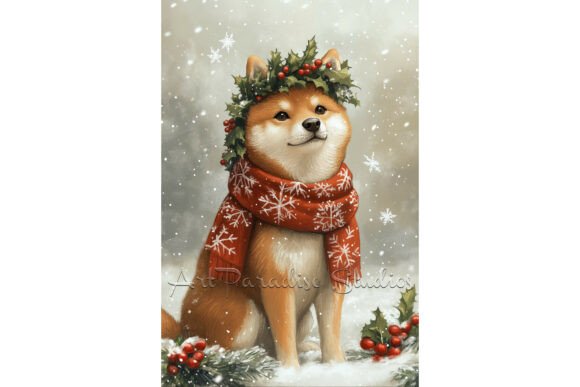
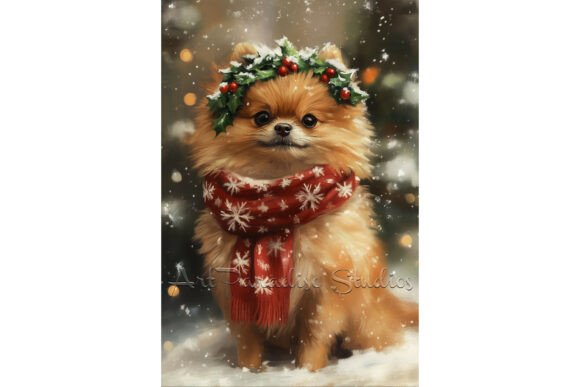
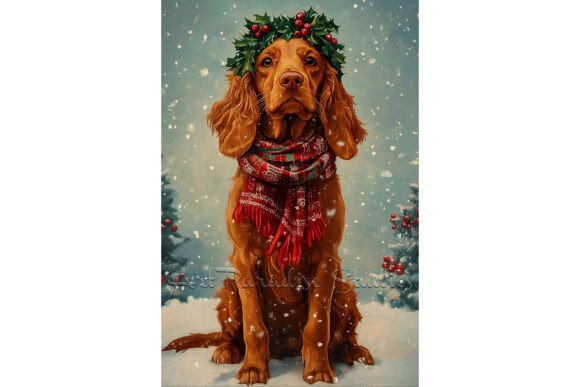
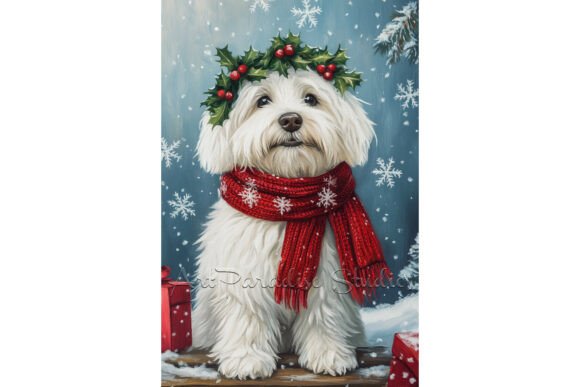
The initial visual impact of this design is warm and inviting. It captures the specific fluffy texture of a Coton De Tulear, a breed known for its cotton-like coat, set against a winter backdrop. For an embroidery project, texture is everything. If the digitizer relied too heavily on dense fill stitch patterns without considering the natural flow of the fur, the result could look like a stiff plastic patch rather than a soft animal portrait. However, reviewing the layout, I noticed a thoughtful balance between detail and negative space. The mood is distinctly holiday-themed but avoids being overly cluttered with seasonal clichés, making it versatile for various holiday embroidery applications beyond just December.
For small business owners and Etsy sellers, this aesthetic is crucial. Customers are drawn to designs that feel personal and high-quality. A design that looks muddy or overly dense on a tote bag design or a sweatshirt embroidery project will lead to returns and negative reviews. This particular artwork seems to prioritize clarity, ensuring that the dog’s expressive eyes and characteristic fluff remain the focal point without getting lost in excessive background noise.
Real-World Application: The Custom Sweatshirt Test
To truly evaluate a machine embroidery design, I mentally place it on a real product. Let’s consider a custom fleece-lined sweatshirt, a popular item for boutique shops during the winter season. The Christmas Coton De Tulear Winter Dog Art would sit prominently on the left chest or as a larger centerpiece on the back. Here, the choice of thread colors becomes critical. White and cream threads can be notoriously difficult to work with because they show every shadow and imperfection in the stitching.
If you are using this as a digital embroidery file for client work, you must test the contrast. On a heather grey or navy sweatshirt, the white fur needs to pop. I recommend using a slight offset or a subtle backing color if the design allows, to ensure the dog doesn't blend into light-colored fabrics. For a personalized gift, adding the pet’s name below the illustration using a clean, simple font can elevate the perceived value. However, be cautious with tiny lettering near detailed areas; the stitch density of the fur should not interfere with the readability of the text.
Fabric Considerations and Technical Challenges
Not all fabrics behave the same way, and this is where many hobbyists stumble. This design, being an illustration with likely varied stitch types including satin stitch for outlines and running stitch for finer details, requires careful fabric selection.
- Textured Fabrics: On towels or fleece, the intricate details of the dog’s face might get lost. You may need to increase the stitch count slightly or use a cut-away stabilizer to prevent the fabric from sinking into the stitches.
- Stretchy Materials: If you are applying this to a baby onesie for baby embroidery, stabilization is non-negotiable. The weight of the design can cause puckering if the fabric stretches during hooping.
- Dark Fabrics: Stitching white thread on black cotton requires precision. Any gaps in the fill will show the dark fabric underneath, ruining the illusion of a fluffy white dog. A underlay stitch strategy is essential here.
For those creating an embroidered patch, this design is ideal. Patches allow you to control the stabilizer and fabric type completely, ensuring the highest quality finish before attaching it to a cap, backpack, or jacket. This reduces the risk of ruining a finished garment and allows for batch production, which is efficient for craft business inventory.
Commercial Viability and Brand Consistency
From a business perspective, the Christmas Coton De Tulear Winter Dog Art fits well into a niche market. Dog lovers are passionate buyers, and breed-specific designs often command higher prices due to their specificity. When used in commercial embroidery, consistency is key. If you are selling this as part of a small shop product line, ensure that your thread brands and tension settings are standardized so that every unit looks identical.
Visual appeal directly influences buyer engagement. A clean, well-digitized illustration suggests professionalism. It builds trust with customers who are paying for a handmade product rather than a mass-produced item. When creating printable mockup images for your online store, make sure to photograph the stitched result in natural light. Show the texture of the thread. This transparency helps manage customer expectations and reduces disputes over what the "real" product looks like compared to the digital preview.
Practical Designer Notes for Best Results
Before you commit to stitching this on a final finished product, follow these practical steps to ensure success:
- Test on Scrap Fabric: Always run a test stitch-out on the exact same fabric and stabilizer combination you plan to use for the final item. Check for thread breaks or bird nests.
- Check Hoop Size: Confirm that the design fits comfortably within your hoop size with enough margin for clamping. Do not try to squeeze a large design into a small hoop, as this causes distortion.
- Inspect Small Details: Zoom in on the digitized file. Are there any tiny, isolated stitches that might pull out? Clean up any unnecessary jump stitches if your software allows.
- Verify Licensing: This is critical for Etsy sellers and commercial users. Check the license terms provided with the embroidery file. Ensure you have the right to sell physical items made with this design. Some artists restrict digital resale or require an extended commercial license.
- Contrast Check: View the design in black and white on your screen. If the details disappear, the contrast is too low, and you may need to adjust thread choices or add outlining stitches.
In conclusion, the Christmas Coton De Tulear Winter Dog Art is a strong contender for winter-themed collections. It balances artistic charm with technical feasibility, provided the embroiderer respects the nuances of thread, fabric, and stabilization. For the creative entrepreneurs and makers looking to add a touch of warmth to their inventory, this design offers a solid foundation for high-quality, sellable goods. Just remember, the magic lies not just in the file, but in the execution.